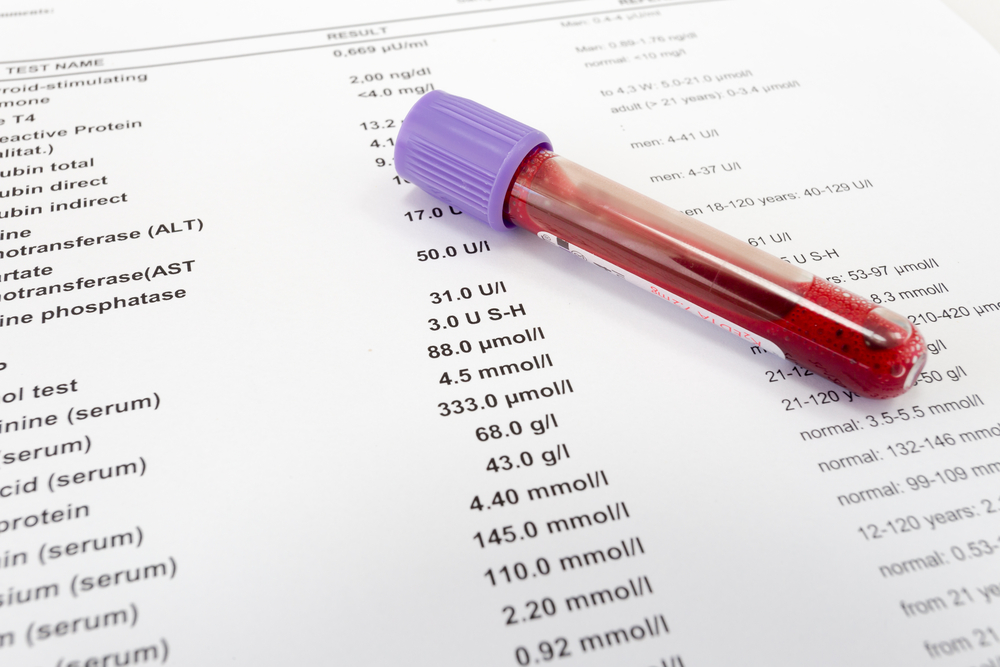

Blood tests are one of the most powerful tools for monitoring your health, but the results can feel like an indecipherable code. From cholesterol levels to blood sugar, liver enzymes, and vitamin deficiencies, each marker provides valuable insights into how your body is functioning. Understanding what these numbers mean can help you take proactive steps toward better health, identify potential issues early, and make informed decisions about your lifestyle, diet, and medical care. In this guide, we’ll break down the most important blood markers, explain what they reveal about your health, and offer tips for interpreting your results so you can approach your well-being with confidence and clarity.
What Your Cholesterol Levels Really Tell You
Cholesterol is often misunderstood, but it plays a crucial role in your body, helping build cell membranes, produce hormones, and support digestion. Blood tests typically measure total cholesterol, LDL (low-density lipoprotein), HDL (high-density lipoprotein), and triglycerides. LDL is often labeled “bad” cholesterol because high levels can contribute to plaque buildup in arteries, increasing the risk of heart disease. HDL, on the other hand, is considered “good” cholesterol, helping remove excess LDL from the bloodstream. Triglycerides, a type of fat, also affect heart health when levels are elevated.
Interpreting cholesterol results isn’t just about hitting target numbers—it’s about understanding your overall risk factors, including age, diet, activity level, and genetics. By monitoring these levels and making lifestyle changes like eating heart-healthy foods, staying active, and avoiding smoking, you can significantly improve cardiovascular health and reduce long-term disease risk.
Kidney Function Markers: What They Reveal About Your Health
Your kidneys play a vital role in filtering waste, balancing electrolytes, and regulating blood pressure. Blood tests can provide key insights into how well they’re functioning. Two of the most important markers are creatinine and blood urea nitrogen (BUN). Creatinine is a waste product produced by muscle metabolism, and elevated levels may indicate impaired kidney function. BUN measures the amount of nitrogen in your blood from protein metabolism, with higher levels potentially signaling kidney stress or dehydration.
Other markers, such as estimated glomerular filtration rate (eGFR), help assess how efficiently your kidneys filter waste. Abnormal results don’t always mean disease, but they can highlight early signs of kidney dysfunction, allowing for timely intervention. Regular monitoring, combined with healthy lifestyle choices like proper hydration, blood pressure management, and a balanced diet, can help protect kidney health and prevent long-term complications.
Vitamin and Nutrient Levels: How They Impact Your Body
Vitamins and nutrients are essential for your body to function optimally, and blood tests can help identify deficiencies before they lead to serious health issues. Key vitamins often checked include vitamin D, B12, and folate, while minerals like iron, calcium, and magnesium are also commonly assessed. Each plays a critical role: vitamin D supports bone health and immune function, B12 is crucial for nerve health and energy production, and iron helps transport oxygen throughout the body.
Low or imbalanced levels can lead to fatigue, weakened immunity, mood changes, and long-term complications if left unaddressed. Monitoring your nutrient status allows you to adjust your diet, supplement appropriately, and make lifestyle changes to restore balance. By understanding your bloodwork, you can proactively support overall health, energy, and wellness, ensuring your body has the building blocks it needs to grow.
Conclusion
Understanding your blood work is a powerful step toward proactive health management. By knowing what key markers—like cholesterol, kidney function, and nutrient levels—mean, you can make informed lifestyle choices, address potential issues early, and work with your healthcare provider to maintain optimal health and prevent long-term complications.