
Stress has become a defining feature of modern life. From constant notifications to economic uncertainty and global instability, the pressure to adapt never seems to stop. While eliminating stress entirely is unrealistic, building resilience—the ability to adapt, recover, and grow stronger through adversity—is both possible and essential for long-term well-being.
Resilience is often misunderstood as toughness or the ability to “push through” without breaking. In reality, it’s much more dynamic. It involves recognizing stress, responding to it effectively, and maintaining a sense of balance even in difficult circumstances. Rather than avoiding challenges, resilient individuals develop the skills to navigate them without becoming overwhelmed.
One of the foundations of resilience is self-awareness. You cannot manage stress if you don’t recognize how it affects you. For some, stress shows up as irritability or anxiety; for others, it may appear as fatigue or lack of motivation.
Paying attention to these signals allows you to respond early, before stress escalates into burnout. Simple practices like journaling, reflection, or even taking a few quiet minutes each day can help you stay connected to your internal state.

Another critical factor is emotional regulation—the ability to manage your reactions in stressful situations. This doesn’t mean suppressing emotions; it means understanding and channeling them constructively.
Techniques such as deep breathing, mindfulness, or stepping away from a stressful situation can help create space between stimulus and response. Over time, this space becomes a powerful tool, allowing you to choose your reactions rather than being controlled by them.
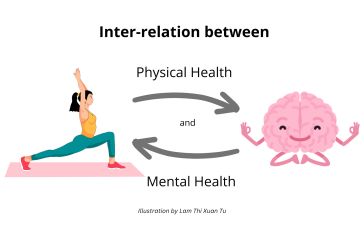
Physical health also plays a major role in resilience. The connection between body and mind is stronger than many people realize. Regular exercise, adequate sleep, and balanced nutrition all contribute to your ability to handle stress.
When your body is depleted, your capacity to cope decreases. On the other hand, when you are well-rested and physically active, your brain is better equipped to process challenges and recover from setbacks.
Equally important is social support. Humans are inherently social beings, and resilience is not something we build in isolation. Having people you trust—friends, family, or colleagues—provides a buffer against stress.

Sharing concerns, seeking advice, or simply feeling understood can significantly reduce the emotional burden of difficult situations. Strong relationships don’t eliminate problems, but they make them more manageable.
A resilient mindset also involves reframing challenges. Instead of viewing difficulties as purely negative, resilient individuals look for meaning or opportunity within them.
This doesn’t mean ignoring real hardship, but rather recognizing that setbacks can lead to growth, learning, and new perspectives. For example, a professional setback might open the door to a more fulfilling career path, or a personal challenge might strengthen emotional awareness and empathy.
Another key element is adaptability. The world is changing rapidly, and rigid thinking can increase stress when things don’t go as planned. Resilience requires flexibility—the ability to adjust expectations, change strategies, and remain open to new possibilities.
This might involve letting go of perfectionism or accepting that not everything is within your control. By focusing on what you can influence, you conserve energy and reduce unnecessary frustration.
Setting boundaries is also crucial in a high-pressure environment. Many people experience chronic stress because they take on too much, struggle to say no, or feel obligated to meet unrealistic expectations.
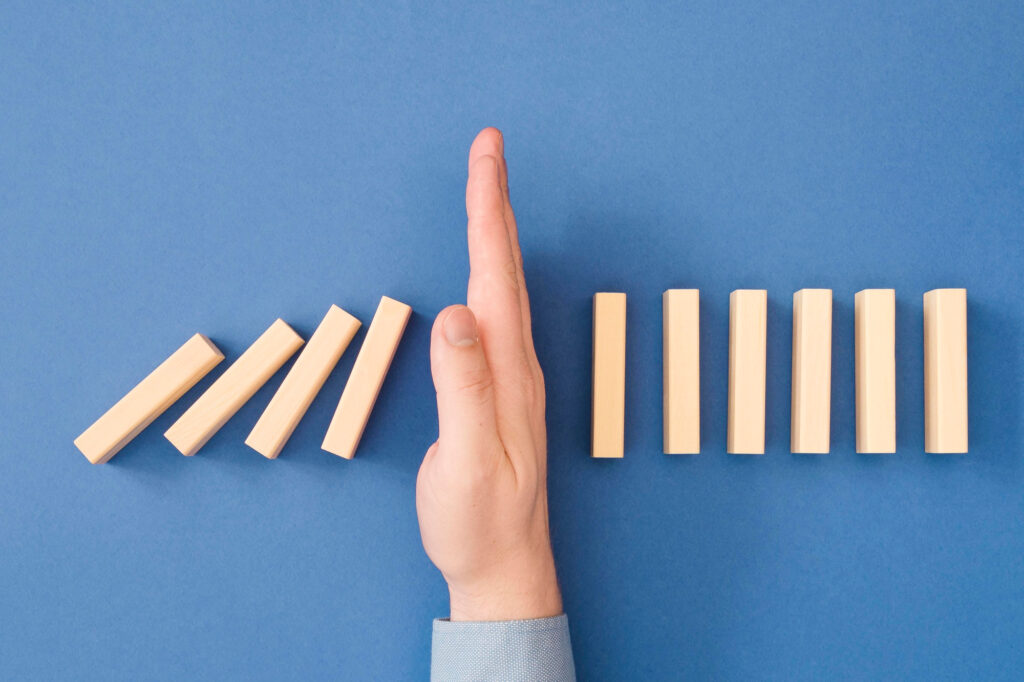
Clear boundaries protect your time and energy, allowing you to prioritize what truly matters. This is not about avoiding responsibility, but about managing it in a sustainable way.
Purpose and meaning play a deeper role in resilience as well. When you have a sense of direction or values that guide your actions, it becomes easier to endure short-term stress.
Purpose provides context—it reminds you why your efforts matter. Whether it’s personal growth, supporting loved ones, or contributing to a larger goal, having a clear “why” strengthens your ability to persist through challenges.
It’s also important to acknowledge that resilience is not a fixed trait. It can be developed over time through consistent effort and practice. Small, daily habits—like maintaining routines, practicing gratitude, or limiting exposure to unnecessary stressors—can gradually build a stronger foundation. These habits may seem minor, but their cumulative effect is significant.
At the same time, resilience does not mean handling everything alone. There are moments when stress becomes overwhelming, and seeking professional support is not a sign of weakness but a responsible step toward recovery. Mental health professionals can provide tools, perspective, and guidance that are difficult to develop on your own.

In a world that often feels unpredictable and demanding, resilience is one of the most valuable skills you can cultivate. It doesn’t remove challenges, but it changes how you experience and respond to them.
By developing self-awareness, strengthening your body and relationships, and adopting a flexible, purpose-driven mindset, you can navigate stress more effectively and maintain a sense of balance.
Ultimately, resilience is not about becoming invulnerable. It’s about learning how to bend without breaking, to recover without losing direction, and to grow stronger through the very challenges that test you.