Most people judge a workout by what happens in the gym: the weight on the bar, the pace on the treadmill, the sweat at the end. Yet a large part of the progress happens hours later, when the body repairs the small amount of damage that training causes and adapts to handle it better next time. Sleep and muscle recovery are closely tied, and sleep is the one recovery tool that costs nothing and that every person already uses each night. It is also the one most often cut short when work, family and screens compete for the evening. Research over the past few decades has made the link clearer, showing how sleep affects hormones, muscle building and even athletic skill. This article looks at what happens in the body overnight, what studies show when sleep is reduced or extended, how age changes the picture, and which simple habits help the night do its job. None of it requires special equipment or supplements, only an understanding of why the hours spent asleep deserve the same attention as the hours spent training. For anyone trying to get stronger, lose fat or simply feel less sore, that understanding can change the results more than another set of exercises.
What Happens in the Body While You Sleep
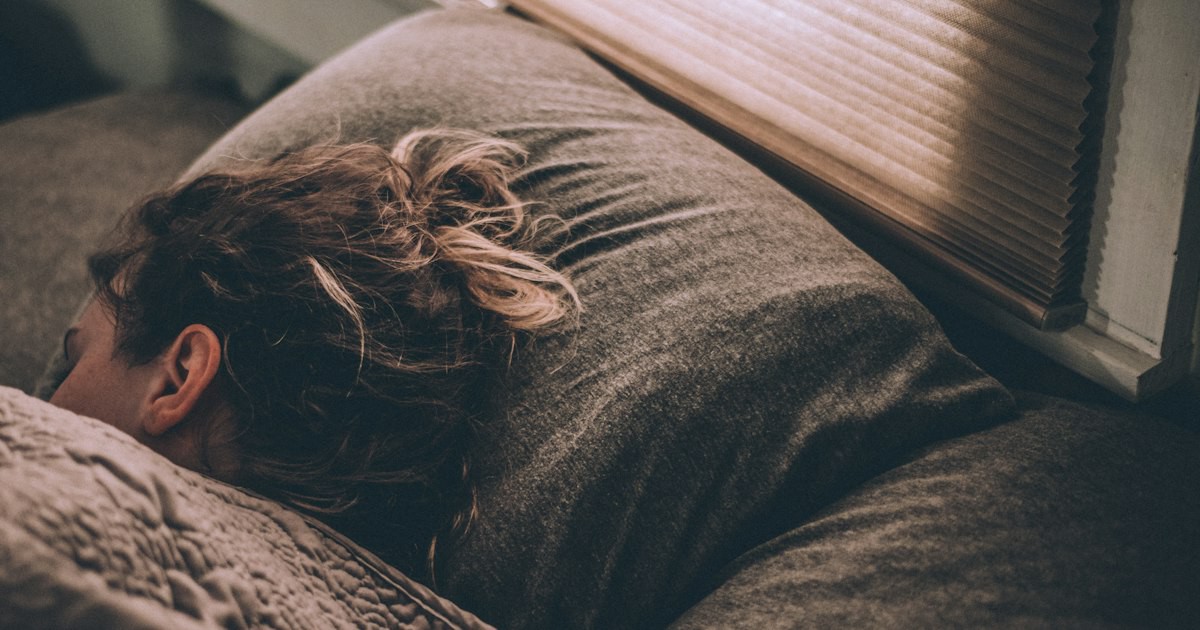
Sleep is not a single state. Through the night the brain cycles between light sleep, deep slow wave sleep and REM sleep, and each stage has its own role. Deep slow wave sleep is closely linked to the release of growth hormone, which supports tissue repair, and a large study of 149 healthy men published in JAMA in 2000 found that the amount of growth hormone secreted was significantly associated with slow wave sleep, independently of age. If you want more background on how this hormone works and how it is used in medicine, our guide to growth hormone in fitness and recovery covers the basics. Growth hormone has also drawn attention in peptide research, where scientists study compounds that prompt the body to release more of its own hormone. Among the peptides talked about most today is retatrutide, and anyone curious about what is on offer can take a look at the reta peptide buy page. Most of that work is still at an early stage, and it is not a shortcut around the basics. The same night also gives the nervous system time to settle after hard sessions. In practical terms, a short or broken night removes part of the window in which this repair work normally takes place, which is why sleep and muscle recovery are best planned together.
What Studies Show When Sleep Is Lost
The effects of a bad night are measurable. In a randomized crossover study published in Physiological Reports in 2021, thirteen healthy young adults spent one night without any sleep and, on another occasion, a night of normal sleep. After the sleepless night, muscle protein synthesis was 18 percent lower, plasma cortisol was 21 percent higher and testosterone was 24 percent lower than after normal sleep. The authors concluded that a single night of total sleep deprivation was enough to create anabolic resistance and a more catabolic environment, meaning the body was less ready to build muscle and more inclined to break tissue down. The study was small and looked at one extreme night, so it does not show exactly what happens after a few short nights in a row. It still offers a clear signal that sleep is part of the muscle building process rather than a pause from it. Stress plays a similar role, and the ways mental health affects physical well-being often run through sleep, since worry and pressure are among the most common reasons people lie awake. Protecting sleep is therefore one of the simplest ways to protect hard earned training progress.
What Happens When Athletes Sleep More
The good news is that the link also works in the other direction. In a study published in the journal Sleep in 2011, eleven players from the Stanford University men’s basketball team kept their normal schedule for two to four weeks and then aimed for at least ten hours in bed each night for five to seven weeks. Their measured sleep rose by about 110 minutes a night. By the end, their timed sprint improved from 16.2 to 15.5 seconds, free throw accuracy rose by 9 percent and three point accuracy by 9.2 percent. Reaction times got faster, and the players reported less fatigue and more vigor. Again, the group was small and highly trained, so the results cannot be copied directly onto the average gym goer, and ten hours in bed is unrealistic for most working adults. The lesson is broader: when people who train hard get more sleep, performance and mood tend to improve together. Age is part of the picture too. The same JAMA study found that deep slow wave sleep drops sharply between early adulthood and midlife, which makes good sleep habits more valuable, not less, as the years go by.
Simple Habits That Help Sleep Support Recovery
For adults aged 18 to 60, the US Centers for Disease Control and Prevention recommends seven or more hours of sleep a night, with seven to nine hours for those aged 61 to 64 and seven to eight hours from 65 onward. Reaching that target starts with a regular schedule, going to bed and getting up at the same time every day, including weekends. The CDC also advises keeping the bedroom quiet, relaxing and cool, turning off electronic devices at least 30 minutes before bed, and avoiding caffeine in the afternoon or evening as well as large meals and alcohol close to bedtime. Regular exercise helps too, which creates a useful loop in which training improves sleep and sleep improves training. If hard sessions often fall late in the evening, try moving the toughest work earlier when possible and keep a calmer routine for the last hour of the day. Track how you feel rather than chasing a perfect number, because energy, soreness and mood are honest signals of whether recovery is working. Treat sleep and muscle recovery as one system, and the effort you put into training will have a much better chance of turning into real, lasting results.